Scroll down to view the interactive report
Prefer a PDF?
Dr. Philippe Duneton
When access works, its effects are felt not only in systems, but in lives.
Across countries and communities, innovation has delivered impact for the past 20 years.
– saving lives, strengthening systems and reaching people once left behind.

These are some of those stories
But what determines whether a breakthrough becomes a reality?
On its own, it can take up to a decade for an innovation to reach all communities in need.
And some of the most needed innovations would never advance at all.
It requires deliberate action to turn innovation into impact.
Many health tools are not designed with low-resource settings in mind. We help ensure that innovations are fit for purpose, backed by evidence and available for use in the settings where the burden of disease is highest.
Access depends on quality and trust. In many low- and middle-income countries, effective tools exist but are delayed by regulatory barriers or undermined by substandard or falsified products.
High prices remain one of the most entrenched barriers to access. Unitaid uses market-shaping approaches to bring prices down and improve value for money for health systems.
Even when demand exists, access fails if supply chains are weak or delivery models don’t reach the people most in need. We work across the full supply chain – from manufacturing to last-mile delivery – to ensure tools are available, reliable and sustainable.
A proven health tool has no impact if countries cannot adopt it or people will not use it. We work to accelerate adoption of new tools even when resources are constrained, helping align financing, policy guidance and demand so innovations can be taken up faster.
By working across all the access levers at once – innovation, quality, affordability, supply and demand – we can ensure new health tools don’t stall at pilot stage and move quickly from innovation to real-world impact, reaching more people, sooner.

01
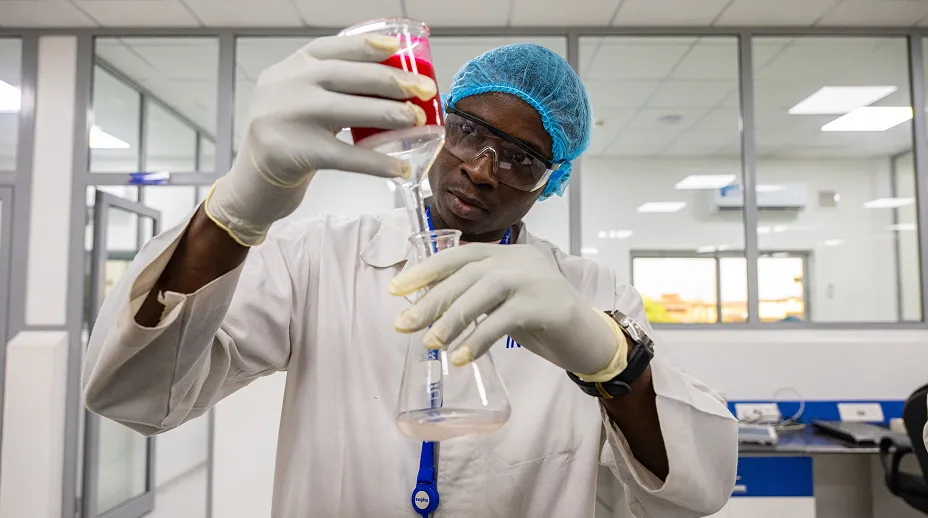
Lenacapavir
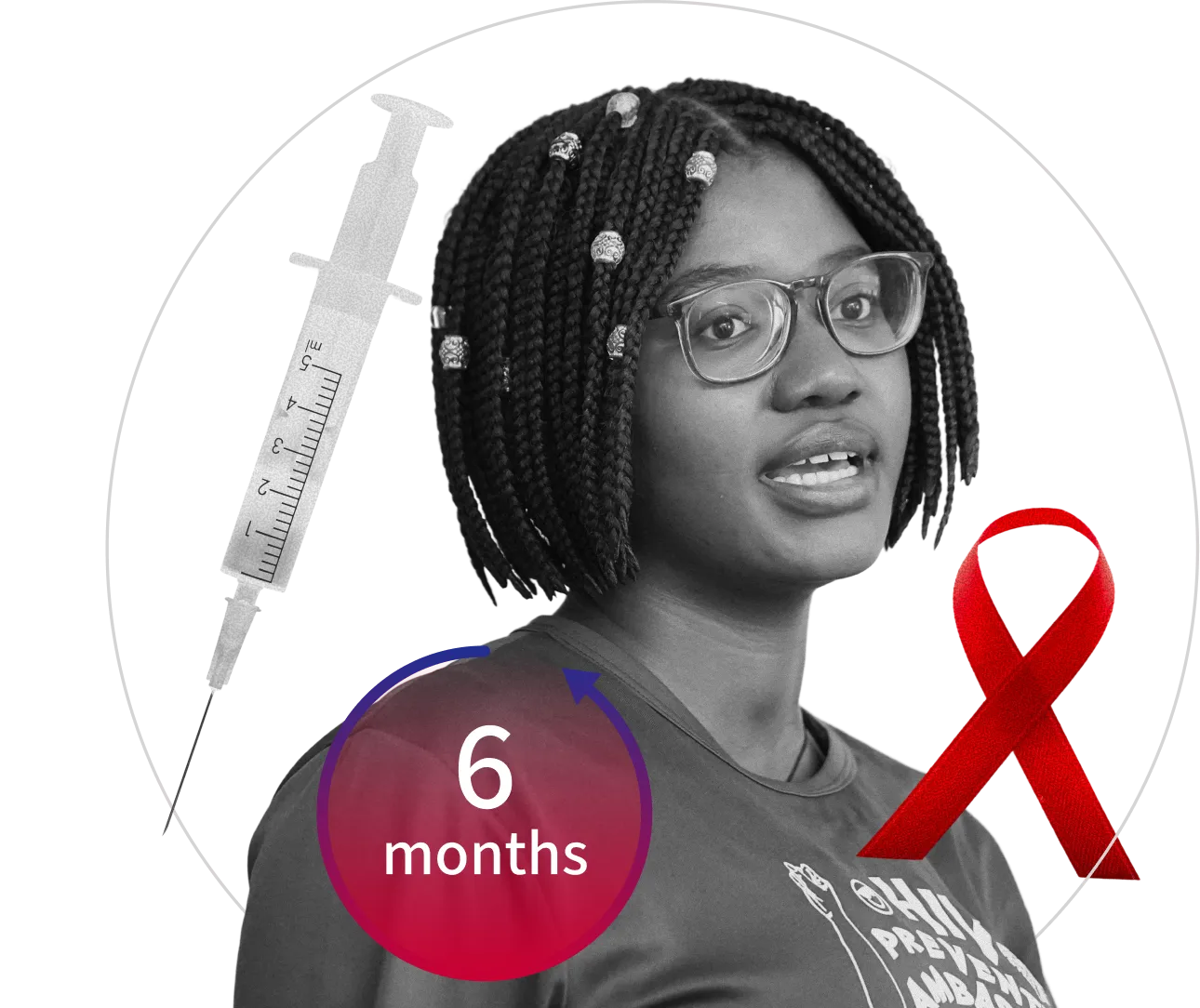
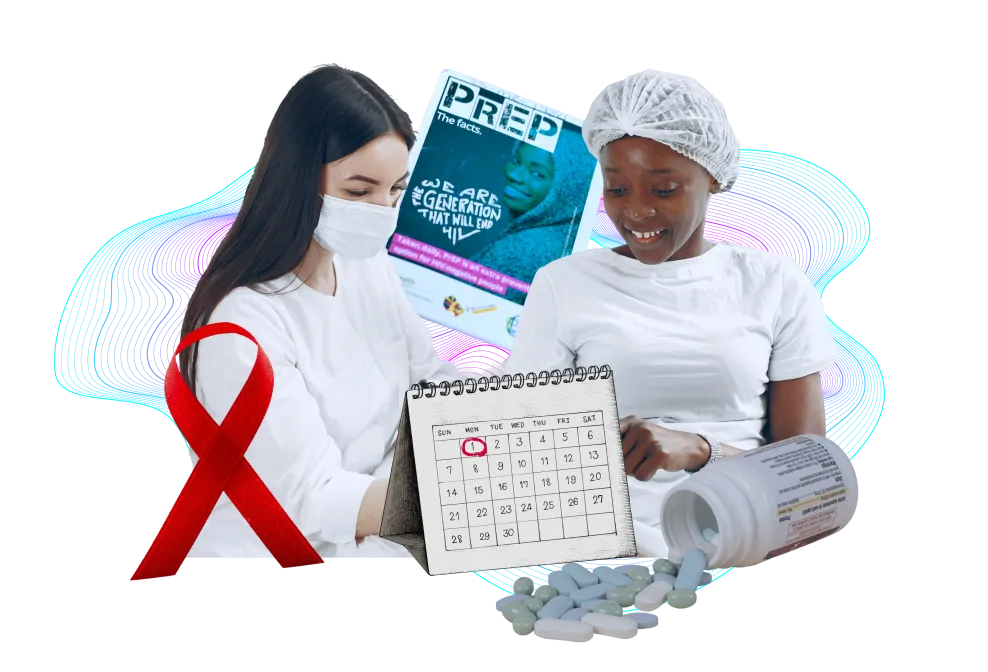
A long-acting injectable form of HIV pre-exposure prophylaxis (PrEP) given just twice a year. Lenacapavir has the potential to transform HIV prevention, particularly for people who face barriers to daily oral pills, by making sustained protection simple and more feasible.

02
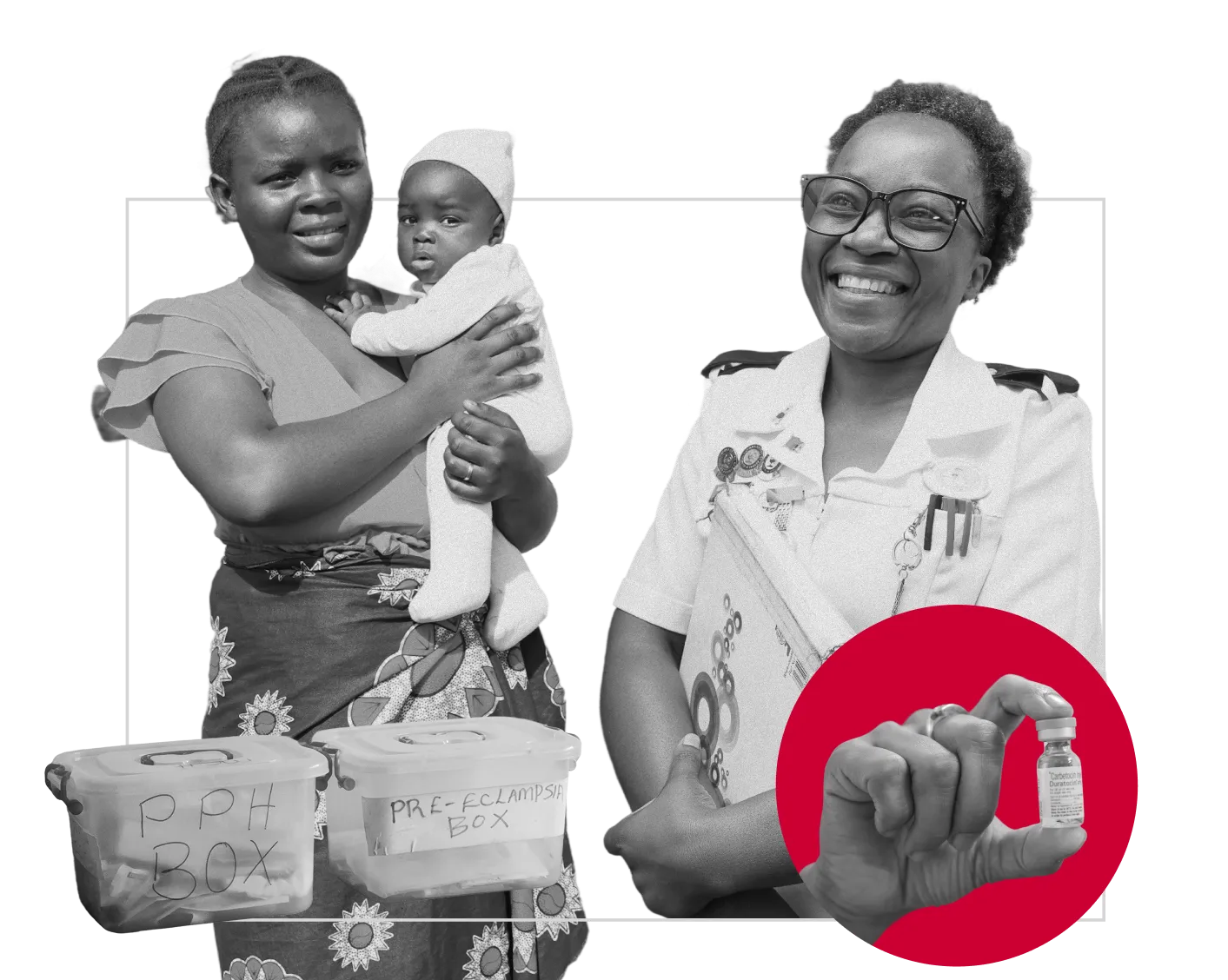
Heat-stable carbetocin
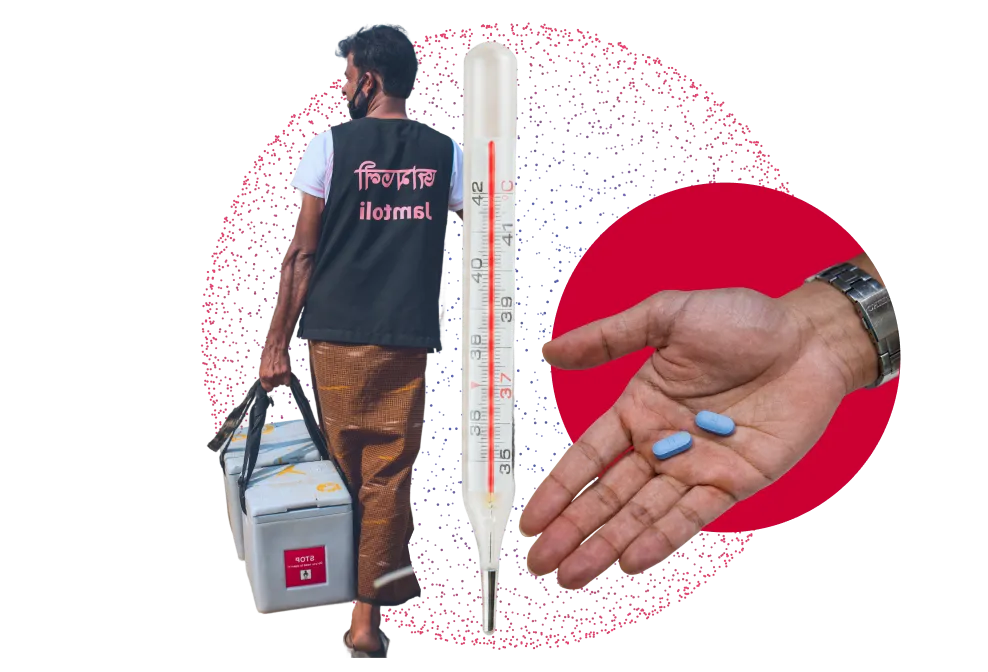
A medicine used to prevent postpartum hemorrhage – life-threatening bleeding after childbirth – that is specially designed to remain effective even in hot climates without refrigeration, unlike alternative preventive medicines.

03
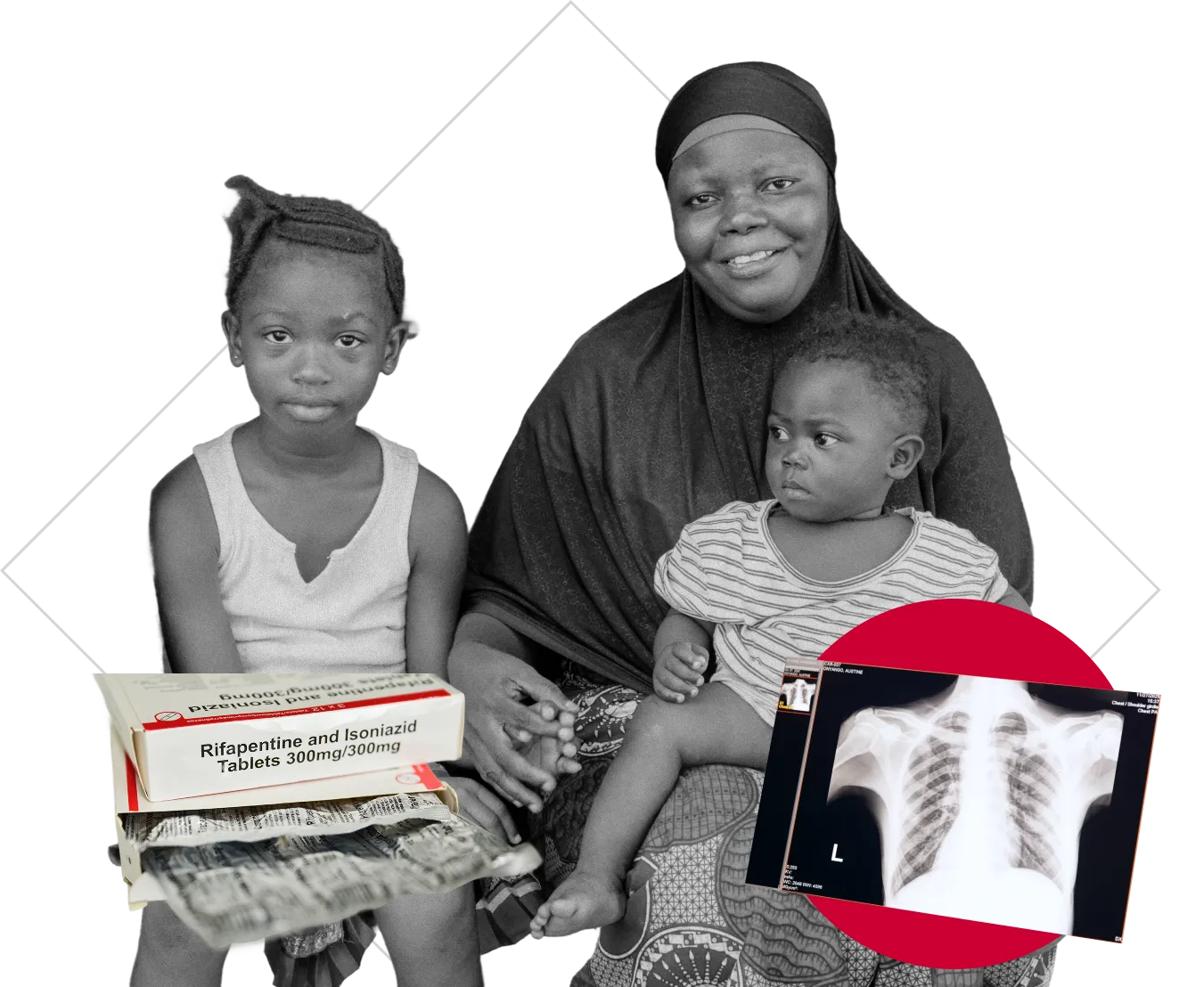
TB prevention
Shorter, more tolerable preventive TB treatment regimens – 1HP (28 days) and 3HP (12 weeks) – improve completion rates and reduce the risk of latent TB progressing to active disease, especially among people at highest risk.

04
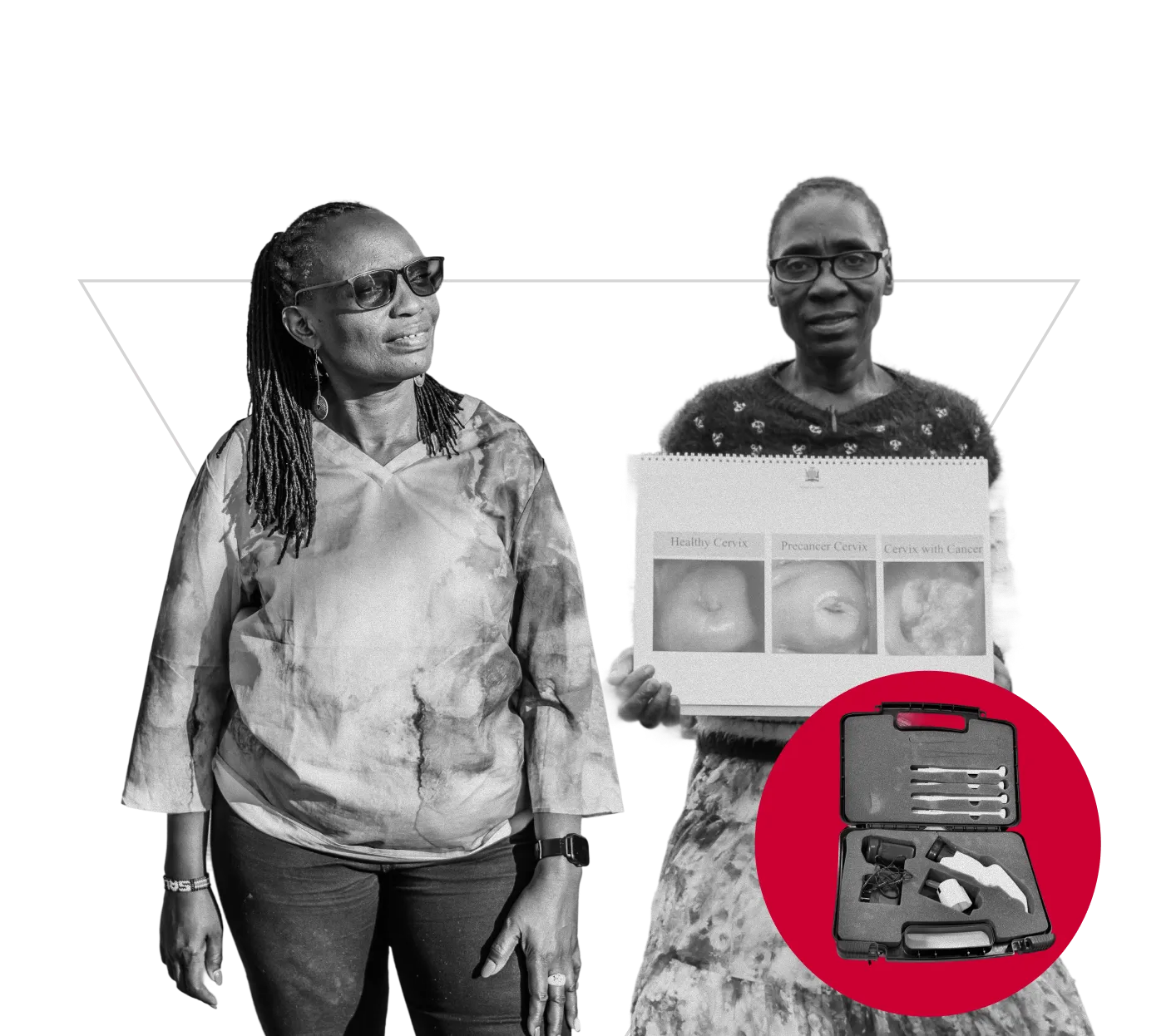
Thermal ablation devices
Portable, battery-powered tools that enable rapid treatment of precancerous cervical lesions quickly and affordably at primary health facilities. By making treatment feasible, acceptable and accessible, thermal ablation is helping close one of the most critical gaps in the cervical cancer pathway.


New ideas are emerging that could reshape how diseases are prevented, diagnosed and treated.
Paying attention early is how we stay ready – and help ensure access follows where impact is possible.
These are some of the promising innovations we’re watching – innovations that, if scientifically proven, will only become breakthroughs if they reach communities in need fast.
Click on any innovation to learn more

Once-monthly oral PrEP

AI-assisted diagnostics

Next-generation antimalarials

Climate-smart health products

Hepatitis C single-shot cure

Long-acting HIV treatments

TB vaccine candidates

Genetically modified mosquitoes